Your First Grocery Shop: A $75 Week for One (Aussie Supermarket Edition)
If you’ve just moved into your first place, the grocery shop is where the budget quietly hemorrhages. You walk in with a list of “the essentials,” walk out $180 poorer with three bags of things you don’t remember choosing, and by Wednesday you’ve ordered UberEats twice because you’re not sure what any of it makes.
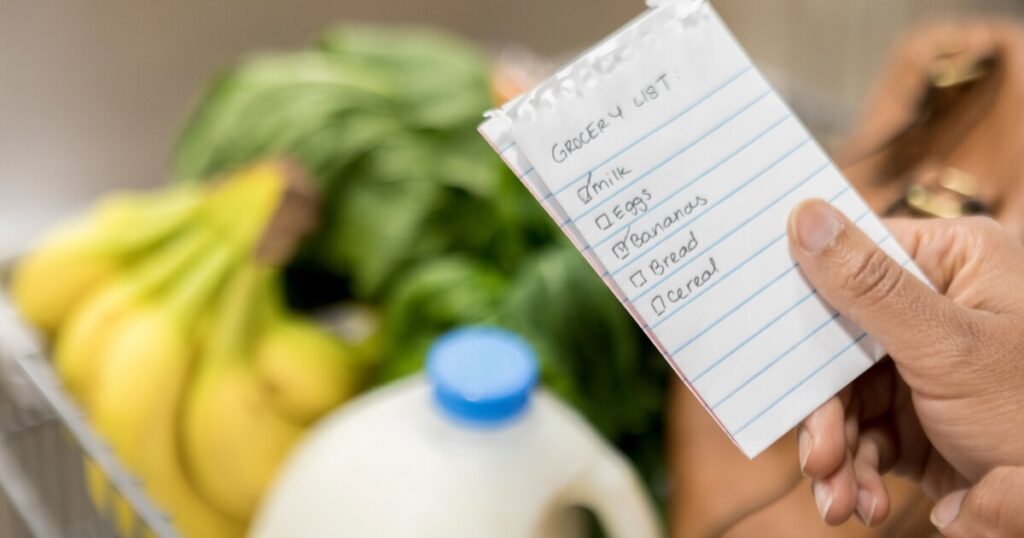
This guide provides a practical template for a full week of meals for one adult, targeting around $75 from a Coles or Woolworths shop. In a time of rising living costs, that’s a challenging target — not aspirational, but not effortless either. It requires strict planning, cooking almost every meal at home, and shopping strategically. But it’s achievable, and it beats the alternative of guessing your way through the week and spending twice as much. Includes a shopping list, a 7-day rough plan, and swap ideas for what you actually like eating.
For the wider first-apartment budget picture (furniture, cleaning, tech) see First apartment on a budget: a $2,500 setup guide. For the cleaning-up side of eating in most nights see a weekly cleaning rhythm that actually works.
The $75 target — what’s realistic
For context: recent national surveys place the average weekly grocery spend for a single person somewhere between $110 and $150. Hitting $75 is a meaningful discount off the average — it takes discipline and planning, and works best if you shop primarily at Aldi and cook at home almost every meal. Don’t be discouraged if your own first attempt lands around $90-$100 as you build the habits; you’re still doing well below average.
Roughly $10-11 per day of food for one, cooking almost every meal at home, with variety across the week and no single meal costing more than $6. To hit this you need to:
- Buy fresh only for this week — no aspirational “healthy” veggies you’ll throw out
- Shop the pantry staples once, then use them for weeks — one bottle of olive oil lasts 2 months
- Cook in batches — Sunday roast → three lunches; big pot of pasta sauce → four dinners
- Accept mild repetition — eating the same dinner twice a week is a small price for eating well cheaply
The one-time pantry starter kit is a separate ~$40 investment (see the section at the end). Once it’s in your cupboard, weekly shops stay in the $70-80 range for months.
The 7-day plan (rough)
The idea isn’t to lock you in — swap dinners around, sub in what you like. This is a template that hits the budget and uses everything on the list without waste.
| Day | Breakfast | Lunch | Dinner |
|---|---|---|---|
| Mon | Oats + banana | Tuna + salad sandwich | Big pasta bolognese (makes 4 serves) |
| Tue | Oats + banana | Pasta bolognese leftover | Chicken stir-fry with rice + veg |
| Wed | Toast + eggs | Stir-fry leftover | Pasta bolognese leftover |
| Thu | Oats + berries | Tuna wrap | Egg fried rice (uses leftover rice) |
| Fri | Toast + eggs | Pasta bolognese leftover | Homemade pizza (wrap + toppings) |
| Sat | Big brunch (eggs on toast + veg) | Leftover pizza | Roast chicken + roast veg + salad |
| Sun | Oats + fruit | Roast chicken sandwich | Chicken + veg soup (uses roast carcass) |
That’s 21 meals + snacks (fruit + toast + cheese-and-crackers on demand) for the week. Total variety: pasta, stir-fry, fried rice, pizza, roast, soup — not sad. Uses every fresh item bought.
The shopping list ($75 target)
Prices are approximate 2026 Coles/Woolworths. Aldi runs about 20% cheaper on most items — swap in Aldi where available.
Fresh produce (~$25)
- Bananas x 6 — $2.50
- Apples x 4 — $4
- Frozen berries (500g) — $6 (frozen is cheaper AND lasts longer than fresh — great for oats)
- Baby spinach (300g bag) — $3.50 (goes in sandwiches, wraps, pasta, stir-fry, soup)
- Tomatoes x 4 — $3.50
- Brown onions x 3 — $2 (used in almost every dinner)
- Garlic (1 bulb) — $1
- Carrots x 4 — $2 (roast, stir-fry, soup)
- Broccoli (1 head) — $2.50 (stir-fry, roast)
- Capsicum (1 red) — $2 (stir-fry, pizza topping)
Protein (~$20)
- Whole chicken (~1.4kg) — $12 (roast Saturday, leftovers Sun sandwich + soup — 3 meals from one bird)
- Beef mince (500g) — $8.50 (bolognese Monday, makes 4 serves)
- Eggs (12 pack) — $6 (breakfast + fried rice + brunch)
- Tinned tuna x 3 — $4 total (lunches)
Pantry basics for this week (~$18)
- Pasta (500g dry) — $2.50
- Rice (1kg bag) — $3 (stir-fry, fried rice, plus lasts weeks)
- Wraps (pack of 8) — $3.50 (lunches + pizza base)
- Bread (1 loaf) — $3.50 (breakfast toast, sandwiches)
- Rolled oats (500g) — $3 (breakfasts — lasts 2 weeks)
- Cheese (250g block, tasty) — $6 (pizza, sandwich, snack)
- Passata (500g bottle) — $2 (bolognese sauce + pizza base)
Extras (~$7)
- Frozen peas (500g) — $3 (fried rice, side veg)
- Long-life milk (2L) — $3 (oats, tea, coffee)
- Snack — biscuits or muesli bars pack — $4
Total: ~$78 (± $5 depending on your store and specials — Aldi will land you closer to $70; Coles/Woolworths without specials may push you to $85)
What’s NOT on the list (and why)
The most expensive part of any grocery shop is what you buy but don’t actually need. Common traps:
- Two different kinds of leafy greens — pick one (spinach is more versatile than lettuce)
- Multiple proteins beyond chicken/mince/eggs/tuna — this list is deliberately narrow; more variety = more waste
- “Snacks” beyond fruit + biscuits — chips, dips, muesli bars in fancy boxes add $20+ fast
- Fresh herbs you’ll use once — sub dried herbs from your pantry (basil, oregano) or a $2 tube of garlic paste
- Bottled sauces beyond passata — a pantry with soy sauce + olive oil + salt + pepper covers 80% of home cooking
- Anything “specialty” for a single recipe — halloumi for one salad you’ll never make again = $9 sitting in your fridge for a month
- Individual yoghurt pots + juices — bulk tub of yoghurt is 60% cheaper; tap water is free
The rule: only buy things you’ll use in at least 2 meals this week.
The pantry starter kit (one-time $40)
Everything above assumes you already have basic pantry staples. First shop only, add these — they’ll last months.
- Olive oil (500ml) — $6
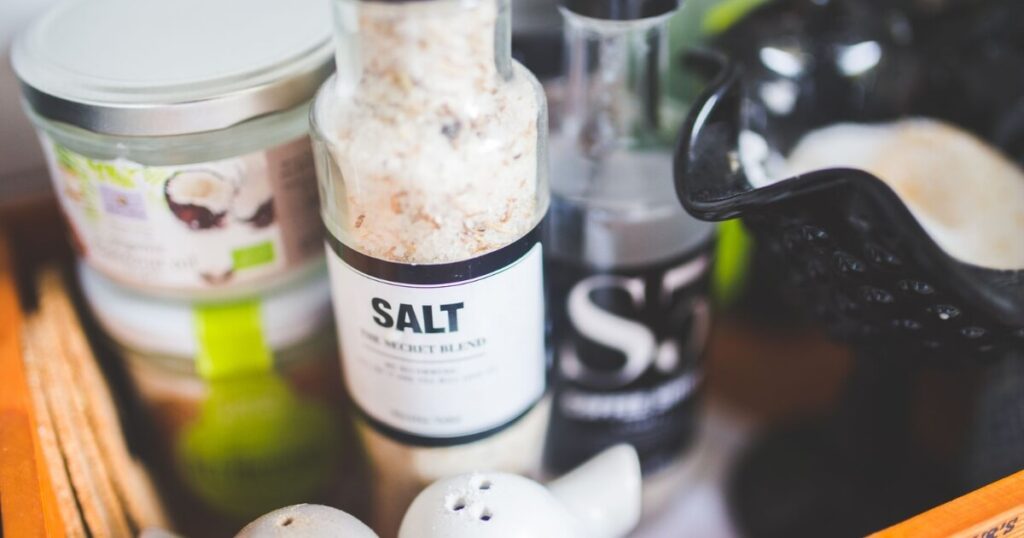
- Salt + pepper (grinders) — $6
- Dried mixed herbs (basil, oregano) — $4
- Chilli flakes — $3
- Cumin + paprika — $6 (add depth to chicken, roast veg, mince)
- Soy sauce — $3 (stir-fry, fried rice)
- Stock cubes (chicken + veg) — $4
- Sugar (small bag) — $2 (tea, cooking)
- Plain flour (small bag) — $2 (thickens sauces, pizza dough one day)
- Vinegar (white or apple cider) — $4
Once these are in the cupboard, you don’t buy them again for months. Every weekly shop after that assumes they’re there.
The three “prep once, eat all week” meals
If cooking every night from scratch sounds exhausting, these three batch meals do most of the work:
Sunday — Roast chicken. $10 whole chicken, $2 of veg to roast alongside (carrots, potato quarters, onion). Sunday dinner + Sunday lunch sandwich + carcass-and-veg soup Monday. Three meals from one bird.
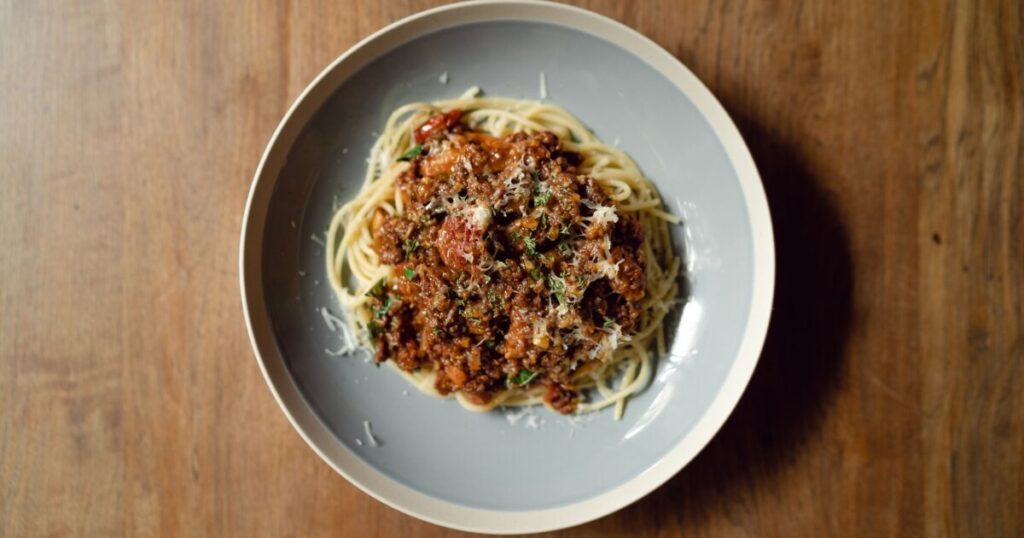
Monday — Big pot of bolognese. 500g mince + one onion + one carrot + garlic + passata + herbs. Cook once, four dinner-sized serves. Freeze two if you want variety mid-week.
Wednesday-ish — Homemade pizzas from wraps. A wrap + a spread of passata + torn cheese + whatever leftover veg you have in the fridge (spinach, tomato slices, onion). Bake 10 mins at 200°C. Two wraps = a full dinner for around $2.
That’s 8 dinners done from about 90 minutes of active cooking spread across the week.
Where to shop
- Coles or Woolworths — the baseline pricing this list is built on. Convenient, wide selection, weekly specials to watch for.
- Aldi — 15-25% cheaper on most items. Own-brand quality is generally excellent. Trade-off is a smaller selection (no international aisle, fewer brand choices). Perfect for pantry basics; do fresh + protein at Coles/Woolies if Aldi’s produce quality is inconsistent in your local store.
- Local greengrocer / fruit shop — often much cheaper on fresh produce, especially in inner-city suburbs. Worth 15 minutes’ walk for a $10-15 saving on the fresh side of your shop.
- Butcher — worth the extra visit if you eat meat regularly. Better quality, often similar price to supermarket, especially if you build a relationship and ask what’s on special.
- Bulk / Asian grocers — rice, noodles, tinned tomatoes, spices are dramatically cheaper. A 5kg rice bag from an Asian grocer is often half the supermarket price.
Bonus tip: Many rewards and cashback programs allow you to buy supermarket gift cards at a small discount. So they’re worth checking out!
The rules that keep the budget honest
Five small habits that make the difference between $75 and $130:
- Never shop hungry. Eat something before you go. Hungry shopping = $30 of “sure, that too” purchases.
- Take the list. Follow the list. No detours to the biscuit aisle “just to look.”
- Check the unit price sticker, not the shelf price. The small “per 100g” or “per 100ml” number under the price is the real comparison.
- Weekly shop, not daily top-ups. Popping in for milk = $12 basket. Weekly big shop = actual discipline.
- Freeze bread and portion out. Sliced bread freezes perfectly — take out slices as needed. Prevents the “half a loaf gone stale” waste that adds up fast.
- Be realistic and kind to yourself. Online forums of budget-conscious Australians consistently show that even people trying to hit $75 often land around $100-$120 as they build the habits. If you’re consistently over the target you’re not failing — you’re in line with a lot of other frugal shoppers. Use this guide as a set of principles, not a pass/fail test.
Save this list
Setting up the “food half” of independent adult life is a whole skill, but the shopping list above is a genuine starting point. Follow it for two weeks, tweak the meals to your actual taste, and by week three you’ll have your own version.
$75 a week for one. Not aspirational — actual.