The 20 Things Nobody Tells You to Buy for Your First Apartment
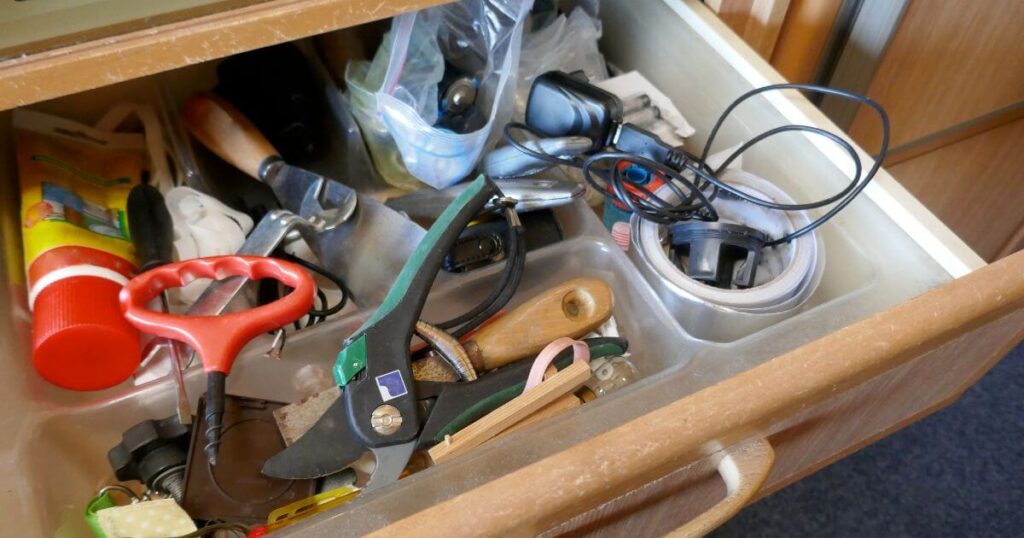
The big-ticket first-apartment shopping list is easy to find. Mattress. Couch. Fridge. Coffee table. Everyone tells you about those.
What nobody tells you about is the small stuff. The specific tiny objects you don’t realise you need until it’s 11pm on move-in night, the smoke alarm is chirping, you don’t own a step ladder, and the closest supermarket is closed. Or the sewing kit you need at 8am because you noticed a loose button on the shirt you were about to wear to your first day at a new job.
This is a list of 20 things that don’t make it onto the “essentials” lists — but that you’ll be quietly grateful for in the first month. Categorised so you can add them incrementally rather than trying to buy everything at once.
For the big-ticket setup breakdown (mattress, couch, kitchen basics), see first apartment on a budget: a $2,500 setup guide. For weekly groceries once you’re moved in, see your first grocery shop: a $75 week for one. For the cleaning rhythm to keep it all liveable, see a weekly cleaning rhythm that actually works.
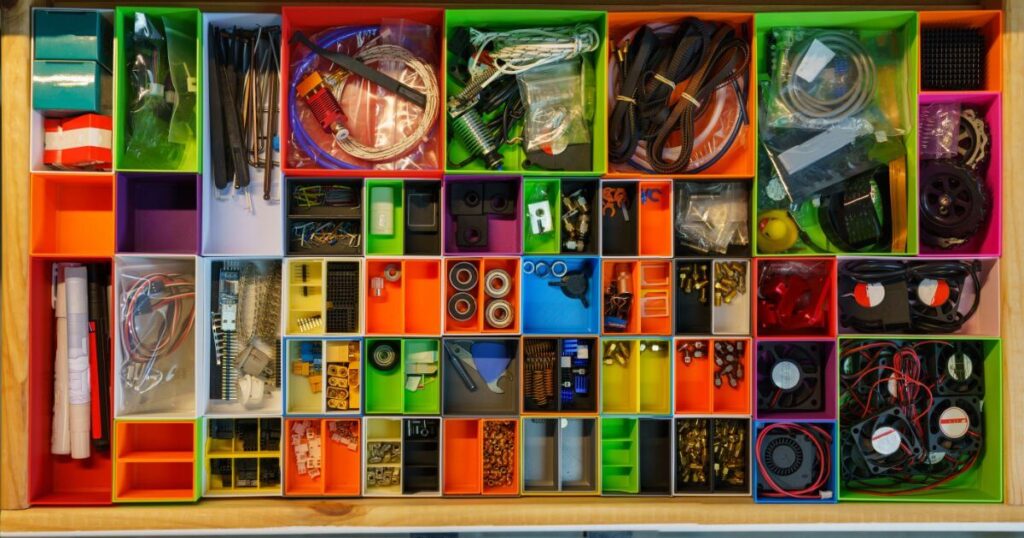
The tools you’ll want in the first 24 hours
1. A basic tool kit
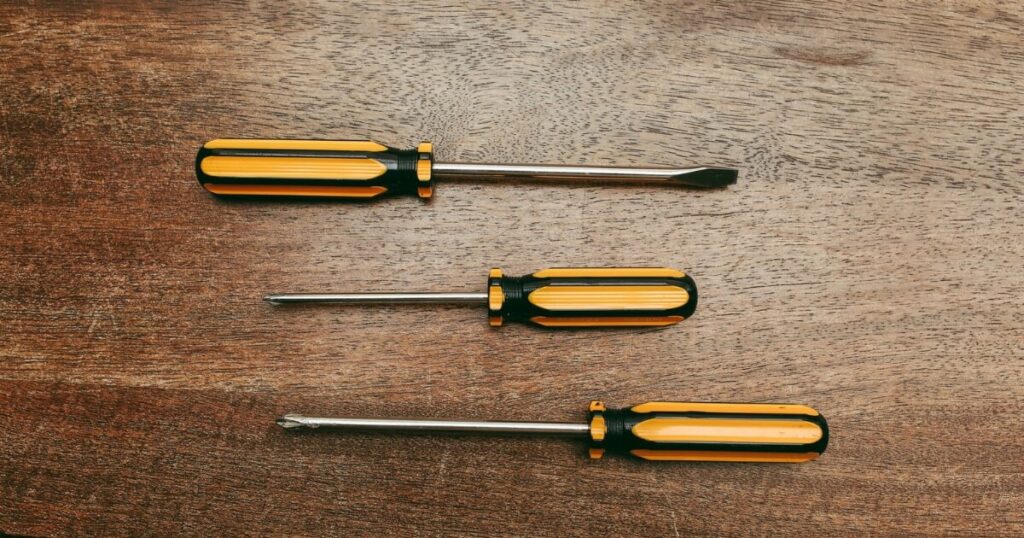
$30 at Bunnings or Kmart. Screwdriver (Phillips + flathead), hammer, pliers, measuring tape, adjustable spanner. You’ll use them within the first week — hanging a shower rail, tightening a wobbly chair leg, opening a stubborn tin. Skip the “500-piece” kits; a 15-piece set covers everything a renter actually does.
2. A step ladder (or sturdy step stool)
$45-115 depending on materials. You cannot change a smoke alarm battery, dust a shelf, reach the top of the wardrobe, or hang anything above chair height without one. Standing on a swivel chair is how first-apartment injuries happen. A folding 2-3 step aluminium ladder tucks into a wardrobe; steel folding stools are cheaper but heavier.
3. A torch (and spare batteries)
$15-25 for a decent LED torch. Power outages happen. Your phone flashlight is fine for 30 seconds; it dies fast if the power stays out. Keep the torch in a specific known drawer, not “somewhere in the box that hasn’t been unpacked yet.”
4. A packet of spare batteries — the right sizes
$8-15. AA and AAA batteries for smoke alarms (see below), remotes, keyboards, torches, wireless mice. Buy a pack of 20 AA + 10 AAA when you move in and you’re set for a year.
Safety and unexpected repairs
5. Spare smoke alarm batteries — specifically 9V
$4-6 each. Most residential smoke alarms take 9V batteries. They will chirp at you at 2am the day before an early flight. This is a universal law. Keep two spares in the drawer.
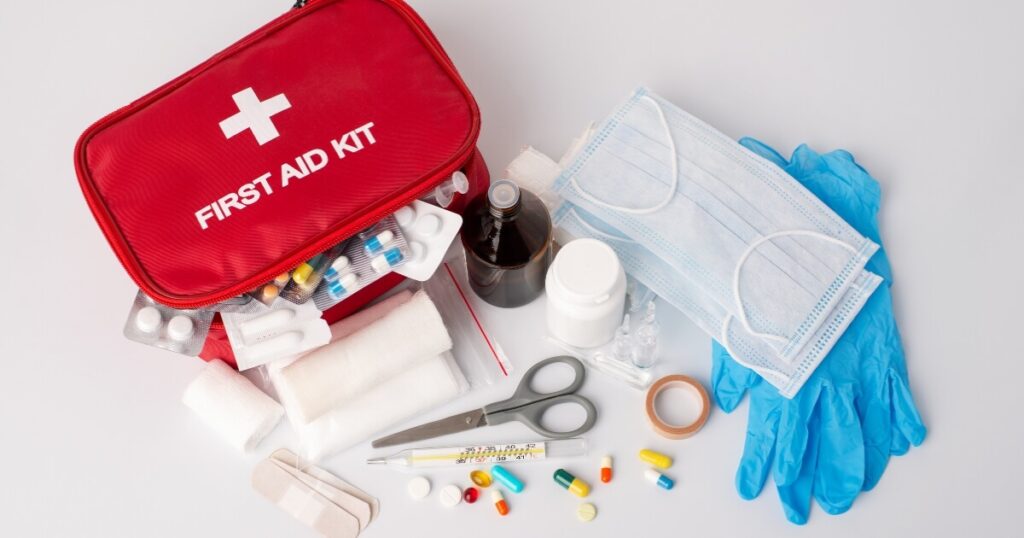
6. A small first aid kit
$20-30 at a chemist. Band-aids, antiseptic wipes, painkillers, an eye pad, cold-and-flu tablets, tweezers. The 2am cut-your-finger-on-a-tin-opener moment is not the moment to realise you don’t own band-aids.
7. A fire blanket
$20-35 for a small kitchen blanket. Cheap peace of mind for cooking fires (which are the most common apartment fire cause). Store within arm’s reach of the stove. A fire extinguisher is overkill for most rentals; a blanket is enough.
8. Wet/dry rags or old towels
Free — pull them from your existing linen. Kept in the laundry cupboard for spills, cleaning up mess, drying wet things you don’t want to put in the good towels. Every apartment needs a “these aren’t for people” pile of cloth.
Small kitchen tools that unlock everything
9. A can opener
$5-15. You will forget this one exists until the exact moment you need one. Get a decent metal one, not the flimsy plastic type — the plastic ones break within a month.
10. Sharp kitchen scissors
$10-20. For cutting open packaging, snipping herbs, cutting through chicken bones, opening any of the plastic vacuum-sealed things that come from the supermarket now. A dedicated pair kept in a knife block or drawer — never used for craft, not lent to housemates for anything else.
11. Sealed food storage containers
$15-30 for a set of 5-8. Not for meal prep specifically (though useful) — for the half-used rice, the leftover pasta sauce, the cooked chicken. Reusing takeaway containers works too but the lids never fit.
12. A vegetable peeler
$5-8. Cheap, essential, ignored. The number of “I’ll just cut the skin off with a knife” mishaps that end in nail-cuts is high. A $5 peeler prevents a $200 emergency GP visit.
13. Aluminium foil, cling film, baking paper, and zip-lock bags
$15 total, one of each. You will need all four in your first cooking week — foil for the oven tray you don’t want to scrub, cling film for the bowl going in the fridge, baking paper for whatever’s on the roast tray, zip-locks for portioning bread into the freezer.
Bathroom and laundry stuff
14. A plunger
$10-15. Yes. You will need one. Yes, buy it before you need it. The Bunnings-at-11pm situation while your bathroom is unusable is far worse than the $15 you’ll spend now for peace of mind.
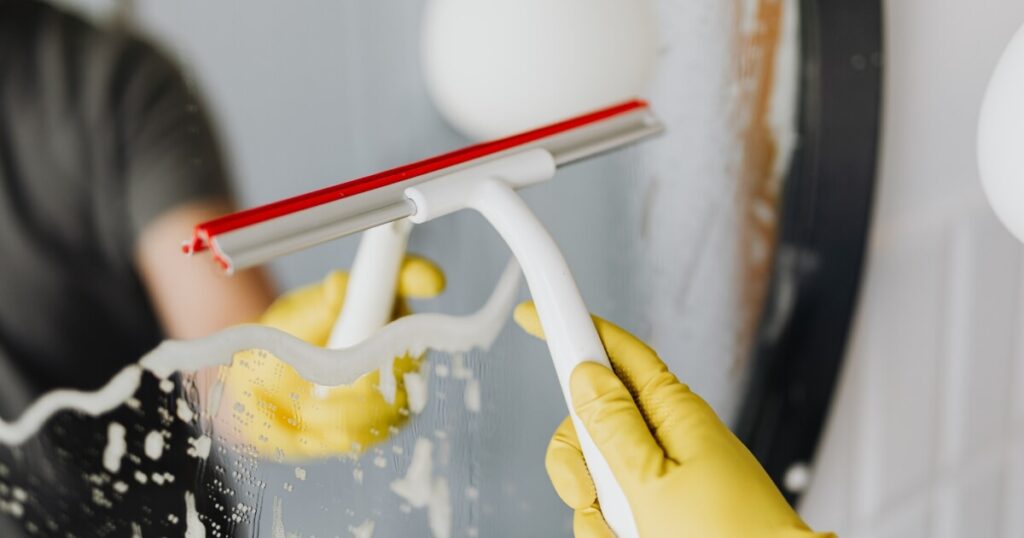
15. A small squeegee
$8-12. Kept in the shower. See our cleaning-rhythm article for why this is the single biggest bathroom maintenance hack — ten seconds after each shower and you never scrub soap scum.
16. Extra hand towels + tea towels
$20-30 for a set of 4-6 of each. You’ll use more than you think. A hand towel wet by lunchtime is still wet at dinner. Rotating through 3-4 hand towels per week is normal; owning only 2 means you’re washing daily.
17. Colour-coded microfibre cloths
$10 for a pack of 6. Blue for kitchen, red for bathroom, yellow for windows. Prevents cross-contamination (nobody wants the cloth that cleaned the toilet to then wipe the kitchen bench). Cheap discipline that pays off long-term.
The random-but-critical
18. A basic sewing kit
$8-15 at a chemist or supermarket. Small case containing needles, thread in 4-5 colours (black, white, grey, navy, one more), safety pins, small scissors. For the button that pops off before a job interview. For the seam that starts to unravel on the hem of your favourite jeans. Once every few months you’ll be quietly grateful.
19. Bin liners — the right size
$5-8. Buy the right size for your bin, not “close enough.” Wrong-size bin liners are a small daily frustration that adds up. Measure your kitchen bin before shopping and check the litre rating on the bin liner box.
20. A physical notebook + pen (kept in a specific known spot)
$10 total. For the tradesperson’s name, the plumber’s phone number, the parcel delivery instructions, the emergency contact number for the strata manager, the wifi password for guests. Digital notes are fine — but there’s a specific mode of first-apartment moment where you’re on the landline / on hold / in the hallway / talking to a person and just need to jot something down fast. Kept in a fixed spot (in a specific drawer, or on top of the fridge), always in the same place.
Bonus — the truly-obvious-but-still-forgotten five
The list above focuses on the “you didn’t know you needed it” category. For completeness, a few items that ARE obvious but that first-apartment renters still routinely forget until 9pm on day one:
- Shower curtain and hooks (if your bathroom has a bath or exposed shower). $20-40. Frequently forgotten because the rental viewing has one and you assume it stays. It doesn’t.
- A toilet brush and holder ($10-15) — same as above. Almost never left behind by the previous tenant.
- Basic cleaning supplies for the move-in clean — all-purpose spray, dish soap, toilet cleaner, a broom + dustpan. $30 total at Woolworths or Kmart. Enough to give the place a proper wipe-down before your things go in. See our $40 starter cleaning kit for the full list.
- A power board and/or extension cord — $15-30. Older rentals in particular have laughably few power outlets. You will discover this within an hour of moving in. Buy 1-2 surge-protected boards before you unpack the electronics.
- A couple of spare light bulbs — $5-15. Landlords don’t always replace blown bulbs between tenancies. Check every light in the apartment on the first day (bring the step ladder — see #2) and grab replacements before the local hardware closes. E27 (screw) and B22 (bayonet) are the two most common types in Australia; check what your fittings need before buying.
The “you don’t need this yet” list
For balance, here’s what people commonly buy in the first month that they probably don’t need:
- A dedicated pantry-organisation system (glass jars in matching sizes, labels) — spend the first six months seeing what you actually store; then buy jars for those specific items
- A “welcome mat” — the plainest doormat from Bunnings is $15 and does the same job as the $60 boutique one
- Matching cutlery sets larger than 4-6 place settings — you’re one person; how often do you cook for eight?
- A “cocktail kit” — you’ll pull it out twice, then look at it every time you open the cupboard for two years
- A dedicated coffee grinder / French press / stovetop espresso — unless you already know you drink 3+ coffees a day at home, wait until the habit is established
- Themed seasonal decor — you’ll change your taste twice in your first year; wait
- A dedicated bar cart, plant stand, or “moment” furniture piece — nice-to-have; the temptation to buy them in month one usually ends with them going on Marketplace in month six
Where the small stuff lives
Once you’ve bought the 20 items above, they need homes. The trick is a specific “known spot” for each category:
- Tool + emergency drawer (tools, torch, batteries, tape) — one specific kitchen drawer, always
- Sewing + admin drawer (sewing kit, notebook, pen, envelopes, spare keys) — one specific drawer near the front door
- Under-sink cleaning caddy (colour-coded cloths, spray bottles, sponges) — always under the kitchen sink
- Bathroom high-shelf (plunger, spare toilet paper, first aid kit) — one shelf or basket, always
- Kitchen “food-adjacent” drawer (foil, cling film, baking paper, zip-locks, scissors) — always the same drawer
The first-apartment tax isn’t the money — it’s the time spent looking for things. Fixed spots for the small stuff means you find them in three seconds instead of ten minutes.
Save this for your first month
Setting up an apartment is 20% big-ticket furniture and 80% “wait, I don’t own [x].” The list above covers the surprising 80% — the small stuff nobody puts on a Pinterest board but that you’ll be quietly grateful for in the first six weeks.
Don’t buy everything at once. Buy the safety items (torch, batteries, fire blanket, first aid, plunger) in the first week; the tool kit and step ladder in the second; the kitchen small-stuff as you start actually cooking. By week six you’ll have the full set and you won’t have blown a single big-shop budget doing it.