NSW Move-Out Checklist: Get Your Full Bond Back
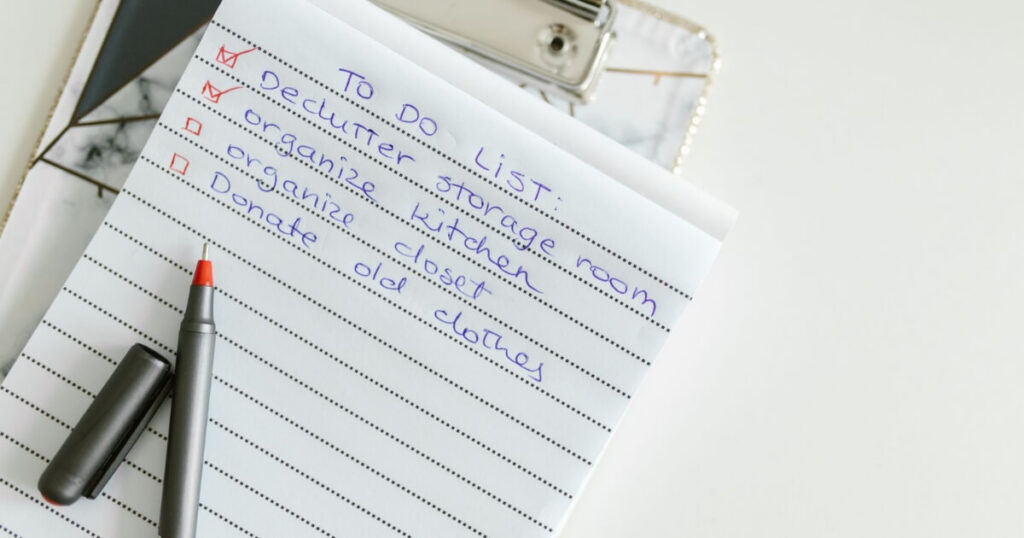
Moving out of a rental in NSW is stressful. But tenants who plan ahead, document everything, and follow the right steps are far more likely to walk away with their full bond.
This checklist works backwards from your move-out date. Most renters won’t have a full 30 days — adapt the timeline to whatever notice period applies to you. The steps still apply in the same order.
One thing matters more than anything else: documentation. Your ingoing condition report, your photos, and your written records are what stands between you and a disputed bond claim.
30 days before you move out (or as early as possible)
Give proper written notice
The notice period depends on your situation:
- Fixed-term agreement ending on the end date — give notice at least 14 days before the end date (s96)
- Periodic (month-to-month) agreement — give at least 21 days notice (s97)
- Fixed-term agreement, rent increase on a 2+ year lease — give at least 21 days notice before the increase takes effect (s99)
- Moving to social housing or aged care — give at least 14 days notice (s100)
- Domestic violence situation — the termination date can be on or after the day you give the notice (s105B, s105C)
If you’re ending a fixed-term lease early for reasons other than the above, see How do I break my lease early in NSW? for your options.
Notice must be in writing. Keep a copy with the date it was given.
Start your documentation now
- Locate your ingoing condition report — you must retain a copy (s29(3))
- Photograph the whole property in its current state — room by room, dated
- Compare photos against the ingoing condition report so you can identify anything that might be raised
Check for repairs
- If something is damaged through normal use, make a note — fair wear and tear is not your liability (s51(3)(b))
- If you’ve caused accidental damage, it’s better to know now than on moving day
- For anything that might be an urgent repair the landlord is responsible for, see What counts as an urgent repair in a NSW rental?
Practical planning
- Book a professional cleaner if you plan to use one — good cleaners fill up fast near end-of-month
- Book a removalist if needed
14 days before
Cleaning and condition
- Start working through the room-by-room clean checklist below
- Your obligation is to leave the premises in a “reasonable state of cleanliness, having regard to the condition of the premises at the commencement of the tenancy” (s51(3)(c)) — this means cleaning to at least the standard you found it, not necessarily to a higher standard
Final inspection
- Contact your landlord or agent to arrange a final (outgoing) condition-report walkthrough — see the moving day section for the legal requirements around this
- Routine landlord inspections during the tenancy require at least 7 days written notice from the landlord (s55(2)(a))
Practical steps
- Redirect your mail (Australia Post change-of-address)
- Arrange final dates for utility disconnection
- Notify your internet provider
Start thinking about your bond
- Log in to the Rental Bond Online (RBO) portal and confirm your bond details are correct
- You can lodge your bond claim as soon as the tenancy ends — you don’t have to wait for the landlord to act (s163)
- See How do I get my rental bond back in NSW? for the full claim process
The week before
Deep clean — room by room (bond clean checklist)
Your legal standard is “reasonably clean, having regard to the condition at the start of the tenancy” (s51(3)(c)). The Act does not prescribe specific cleaning methods — what counts is whether the result meets this standard.
Kitchen
[ ] Oven interior — racks, door glass, seals
[ ] Cooktop and rangehood filter
[ ] Sink and tapware
[ ] Inside cupboards and drawers
[ ] Splashback
Bathroom/s
[ ] Shower screen and recess
[ ] Tiles and grout (to the standard they were in at the start)
[ ] Toilet — bowl, seat, cistern
[ ] Vanity, sink, tapware
[ ] Floor and exhaust fan
Bedrooms
[ ] Floors (vacuumed and/or mopped)
[ ] Wardrobe interiors
[ ] Windows and window tracks
[ ] Skirting boards
Living areas
[ ] Hard floors or carpets
[ ] Walls — remove any marks or scuffs you caused (but fading and minor scuffs from normal use are fair wear and tear)
[ ] Blinds and curtains
[ ] Windows inside and out (where accessible)
[ ] Light fittings
Outdoor areas
[ ] Balcony or courtyard swept and cleared
[ ] Garden — only to the standard you found it, and only where your tenancy agreement makes you responsible for maintenance
Carpets: Whether professional steam cleaning is required depends on the condition of carpets at the start of your tenancy, not on a universal rule. If carpets were professionally cleaned before you moved in, the landlord may expect the same standard on exit — but the baseline is always the s51(3)(c) “reasonably clean” test.
Rubbish: You must remove all rubbish (s51(3)(d)).
Final week checklist
[ ] Cancel or redirect regular deliveries
[ ] Test smoke alarms — the landlord is responsible for ensuring smoke alarms are maintained (s64A), but flagging a fault now avoids disputes later
[ ] Confirm your RBO login is working and your bond amount is correct
[ ] Begin packing and clearing each room as you clean
Moving day
Outgoing condition report
The landlord or agent and the tenant must each complete the condition report in the presence of the other party where practicable (s29(4)).
If one party can’t be there, it is not a breach for the report to be completed without them — as long as the absent party was given a reasonable opportunity to be present (s29(5)).
What to do:
[ ] Walk through the property with the agent or landlord if possible
[ ] Note any disagreements in writing on the spot — don’t just sign
[ ] Take dated photos of every room after cleaning is complete
[ ] Photograph any existing marks or damage from the ingoing report that you didn’t cause
Keys and access devices
You must return all keys, and other opening devices or similar devices, provided by the landlord (s51(3)(e)). This includes:
[ ] All door and window keys
[ ] Garage remotes or swipe cards
[ ] Letterbox keys
[ ] Gate fobs or security access cards
Get written confirmation of key return — a text message or email is fine.
Other moving-day tasks
[ ] Read final utility meters
[ ] Take a final timestamped photo of the front door before you leave
After you’ve returned the keys
Lodge your bond claim
You can lodge your bond claim through RBO as soon as the tenancy ends (s163). You do not need to wait for the landlord. Lodge proactively — it starts the clock.
Once a claim is lodged, the Secretary notifies the other party. If no one disputes the claim in writing within 14 days, the Secretary pays it out (s164(5)).
For a step-by-step on what happens next, see How do I get my rental bond back in NSW? and How long does it take to get a rental bond back in NSW?.
If there is a dispute
If the landlord contests the claim, the bond won’t be paid until the dispute is resolved. Importantly, if the landlord makes a claim on your bond without your agreement, they must give you a copy of the final condition report and any quotes, invoices or rece/resources/condition-report-nsw/ipts for the work claimed within 7 days of making the claim (s165). Ask for these in writing if you haven’t received them.
See How do I dispute a bond claim in NSW? for how NCAT handles bond disputes.
For more detail on what landlords can and can’t claim from your bond, see What can a landlord deduct from my bond in NSW?.
If the bond was paid out but you think it was wrong
You have 6 months after the bond is paid out to apply to the Tribunal for a bond order (s175, RTR cl 39(8)). Keep your documents for at least that long.
Got a specific move-out question?
Ask RentWiz — our free AI tool answers your specific NSW tenancy question using the actual Act and Regulation. Try it now →
Documents to keep
Hold onto these after you move out — at minimum until 6 months after the bond is paid out (s175, RTR cl 39(8)):
[ ] Signed ingoing condition report
[ ] Signed outgoing condition report (or your copy if it wasn’t co-signed)
[ ] All dated move-in and move-out photos
[ ] Bond claim confirmation from RBO
[ ] All written communication with the landlord or agent (emails, texts)
[ ] Your termination notice, with the date given
[ ] Receipts for any cleaning or repairs you paid for
The bond process is not a mystery — it follows a clear timeline under the Act. Tenants who document well at the start and the end of a tenancy are almost always in a better position at dispute time than those who rely on memory. Start the checklist early, keep your photos dated, and lodge your claim as soon as the keys are back.