What counts as an urgent repair in a NSW rental?
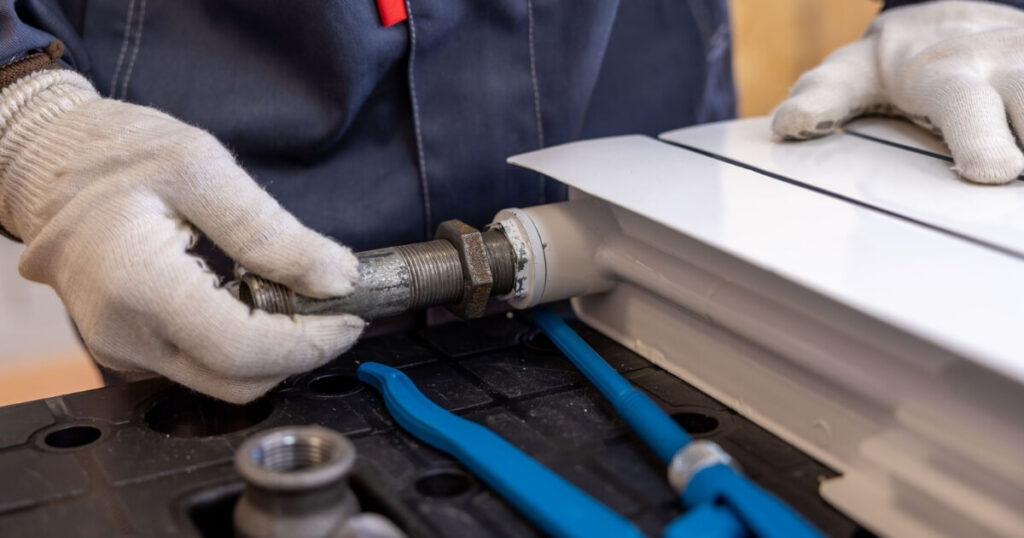
An urgent repair is a specific legal category under NSW tenancy law — and knowing whether your problem qualifies changes what you can do about it.
Most repair problems in a rental follow a standard process: write to the landlord, wait a reasonable time, escalate if needed. Urgent repairs are different. The law gives you a faster path and, in some situations, the right to arrange the work yourself and claim the money back.
This article explains what qualifies, what the landlord must do, and what steps to take if nothing happens.
What the law defines as “urgent repairs”
Under section 62 of the Residential Tenancies Act 2010, “urgent repairs” has a precise legal meaning. Not every inconvenience qualifies. The law lists specific categories.
The full list under s62
A repair counts as urgent if it involves any of the following:
- A burst water service
- A fixture or appliance that is wasting a substantial amount of water
- A blocked or broken lavatory system
- A serious roof leak
- A gas leak
- A dangerous electrical fault
- Flooding or serious flood damage
- Serious storm or fire damage
- A failure or breakdown of the gas, electricity or water supply to the premises
- A failure or breakdown of any essential service for hot water, cooking, heating, cooling or laundering
- Any fault or damage that causes the premises to be unsafe or insecure
- Any other damage prescribed by the regulations
That last category matters — the definition is not closed. If regulations prescribe additional urgent repairs in future, they slot straight in under s62.
The “unsafe or insecure” category catches a lot
The unsafe-or-insecure category is broad. A broken front-door lock that leaves your home unable to be secured falls under it. So does a hole in an external wall, a collapsing balcony, or any structural fault that makes the premises unsafe. A non-functional smoke alarm is another common example — it makes the premises unsafe in a way the law takes seriously. If the problem affects your ability to safely live in or secure the property, it likely qualifies — even if it isn’t one of the more obvious plumbing or electrical categories.
What is NOT an urgent repair
A problem can be genuinely serious without being legally urgent. Anything not on the s62 list — a dripping tap, a broken window latch that still locks, a mouldy bathroom — follows the standard non-urgent repair process.
There is one explicit exclusion in s62: work needed to repair premises owned by a person other than the landlord, or with superior title to the landlord (for example, a head landlord in a sublease arrangement). This is a narrow carve-out for unusual ownership structures — it doesn’t apply to most rentals.
Non-urgent repairs still have to be done. The process is just different — you write to the landlord, allow a reasonable time, and apply to the NSW Civil and Administrative Tribunal (NCAT) if they fail to act.
What the landlord must do
Section 63 of the Act requires the landlord to provide and maintain the premises in a reasonable state of repair. The Act doesn’t set a fixed number of days for the landlord to act on urgent repairs — but under s65(3)(b), NCAT will consider whether the landlord failed to act with reasonable diligence when deciding a dispute. “Reasonable diligence” for a burst pipe or a gas leak is very different from “reasonable diligence” for a leaking tap.
In practice, tenant advocates and NCAT decisions generally treat an initial response within 24-48 hours as the expectation for genuinely urgent repairs. This isn’t a statutory rule — but if a landlord takes weeks to acknowledge a burst pipe or a broken lock, NCAT is unlikely to find they acted with reasonable diligence.
Your tenancy agreement should list a nominated person for urgent repairs (referred to in s64(2)(d) as “a licensed or otherwise properly qualified person nominated in the residential tenancy agreement”). That is the tradesperson the landlord has pre-arranged for exactly this situation. If there is one listed, contact them first.
The landlord (or their agent) can also enter the premises without giving you notice under section 55(1)(b) of the Act if entry is needed to carry out urgent repairs. So don’t be surprised if a repairer needs to attend at short notice.
If you cannot reach the landlord or nominated person, or they simply do not respond, you do not have to wait indefinitely. The law gives you a next step.
What you can do if the landlord doesn’t act
Step 1: Try to contact the landlord
Before arranging anything yourself, make a genuine attempt to contact your landlord or property manager. Under s64(2)(b), you must either give the landlord notice OR make a reasonable attempt to notify them — a documented reasonable attempt suffices when the landlord is unreachable. Try the method specified in your tenancy agreement (often phone and email). Document every attempt — screenshots, call logs, time-stamped messages.
Step 2: Arrange the repair yourself
If you cannot reach the landlord, or you reach them and they do not act, you can arrange the urgent repair yourself under section 64 of the Act. There are a few conditions in s64(2):
- The disrepair must not have been caused by your breach of the agreement (s64(2)(a))
- You have to have given the landlord notice or made a reasonable attempt to (s64(2)(b))
- Where notice was given, you must have given the landlord a reasonable opportunity to make the repairs (s64(2)(c))
- Where a nominated repairer is listed in your agreement, you must have made a reasonable attempt to arrange them (s64(2))
- The repair must be carried out by a licensed or qualified person where appropriate (s64(2)(e))
Use the nominated person listed in your tenancy agreement if you can. If not, use a licensed or qualified tradesperson where the type of work requires it.
Under s64(3), you can claim reimbursement for reasonable costs up to a maximum of $1,000. Do not spend more than $1,000 expecting to be repaid — the Act caps the landlord’s obligation at that figure.
Step 3: Notify the landlord in writing and keep receipts
After the repair is done, give your landlord written notice of what was repaired, what it cost, and attach copies of the receipts. Under section 64(1), the landlord must reimburse you within 14 days of receiving that notice.
Step 4: Apply to NCAT if needed
If the landlord refuses to reimburse you, or the repair cost exceeded $1,000 and you want to argue the full amount was reasonable, you can apply to NCAT for an order under section 65(1) — either an order that the landlord carry out the repair (s65(1)(a)) or an order for reimbursement (s65(1)(b)).
Under section 190(1) of the Act and clause 39(9) of the Residential Tenancies Regulation 2019, you have three months from the date you became aware of the breach to apply. This is a more tenant-friendly trigger than “three months from the event” — the clock starts when you knew, not when it happened.
NCAT can also list urgent tenancy matters for hearing quickly where there is an immediate risk of harm. If your situation is dangerous and the landlord is completely unresponsive, don’t wait — apply to NCAT directly.
In the most serious cases — where a landlord persistently refuses to fix urgent problems — a tenant may have grounds to seek a termination order from NCAT under section 103 of the Act on the basis of the landlord’s breach. This is a Tribunal-application pathway, not a self-help walk-out. For the general break-lease overview, see how to break your lease early in NSW.
A critical warning: do NOT withhold rent
Even if your landlord is failing to do urgent repairs, you must continue to pay your rent as usual. Withholding rent is itself a breach of your tenancy agreement and can lead to a termination notice for non-payment — regardless of what the landlord has (or hasn’t) done. The legal path is to use the s64 self-arrange-and-reimburse process, or apply to NCAT for an order under s65. Rent-withholding as retaliation is not a legally protected response and will almost always make your position worse.
Practical tips for documenting the problem
Good records make everything easier — reimbursement, NCAT applications, and any bond dispute that arises later.
When the problem appears:
- Take dated photos or video of the issue as soon as you notice it
- Note the exact date and time you first observed it
When you contact the landlord:
- Use a method that creates a written record — email or text message
- State clearly that the problem is an urgent repair under s62 of the Act
- Keep screenshots of any messages sent and any replies
When you arrange the repair:
- Ask the tradesperson for an itemised invoice, not just a receipt
- Keep the invoice and any parts receipts together
When you notify the landlord:
- Put the reimbursement request in writing, even if you have already spoken by phone
- Include the date of the repair, cost, and attached invoice copies
If a bond dispute arises at the end of your tenancy, these records also help show any damage wasn’t caused by you. See our guide on what a landlord can deduct from your bond for more on that.
A note on costs above $1,000
The $1,000 reimbursement cap under s64(3) is real. If an urgent repair genuinely costs more — a burst pipe requiring significant plumbing work, say — you have a few options.
You can pay the full amount and apply to NCAT arguing all costs were reasonable (though only up to $1,000 is guaranteed under s64). Or you can pay the first tradesperson only what is needed to make things safe and let the landlord arrange the rest. Either way, think carefully before spending more than the cap if you want full recovery.
Not sure if your repair qualifies as urgent?
Ask RentWiz — our free AI tool answers your specific NSW tenancy question using the actual Act and Regulation. Try it now →