Can my landlord install security cameras in a NSW rental?
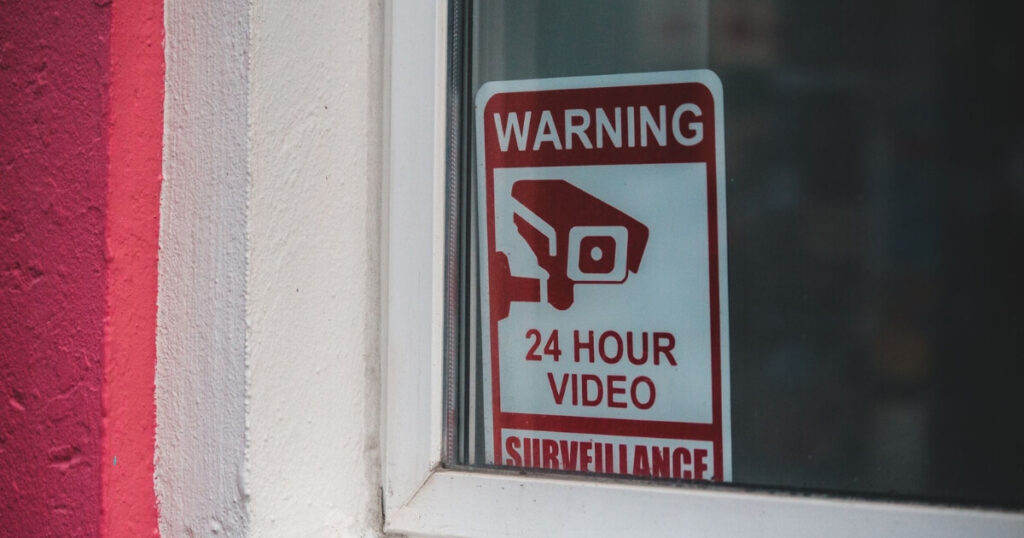
It depends on where the camera is and what it captures — a landlord may be able to install an external camera on the outside of the property, but a camera inside your home or one that records private conversations is almost certainly unlawful.
Two separate legal frameworks apply at the same time. The Residential Tenancies Act 2010 (NSW) gives you a right to privacy inside your rental. The Surveillance Devices Act 2007 (NSW) puts limits on how and where surveillance devices can be used. A landlord’s camera must satisfy both. Satisfying one does not excuse a breach of the other.
Your privacy rights under the Residential Tenancies Act 2010
Quiet enjoyment — section 50
Section 50(1) of the Residential Tenancies Act 2010 gives you the right to quiet enjoyment of your home — meaning your use of the property must not be interrupted by the landlord. Section 50(2) then spells out what that protects: your reasonable peace, your comfort, and your privacy.
Section 50(2) goes further than just naming those interests. A landlord or landlord’s agent must not interfere with your reasonable peace, comfort or privacy while you are using the property. This is not just good practice — it carries a maximum penalty of 10 penalty units.
Section 50(4) makes this a term of every residential tenancy agreement in NSW. It applies even if your lease says nothing about it.
A security camera pointed at the inside of your home, or positioned to watch you in your private outdoor space, is difficult to reconcile with section 50. It is a persistent and ongoing form of surveillance directed at the very place you have a legal right to peace, comfort, and privacy.
This protection is part of your lease by law
You do not need to negotiate this protection. Section 50(4) writes it into your agreement automatically. It applies whether your landlord included it in your lease or not.
That matters because a breach of section 50 is also a breach of your tenancy agreement. It gives you a pathway to the NSW Civil and Administrative Tribunal (NCAT) if your landlord refuses to act.
The surveillance law framework — Surveillance Devices Act 2007
The Surveillance Devices Act 2007 adds a separate layer of protection that sits on top of the RTA.
NSW surveillance law prohibits the installation or use of a listening device to record private conversations without the consent of all parties to that conversation. This is a serious prohibition. It applies regardless of where the device is installed. A camera with an audio recording feature that picks up private conversations at your rental is likely to breach this law — even if the camera is mounted outside.
The Surveillance Devices Act 2007 also restricts optical surveillance devices — devices that can visually record people. Using such a device to record a person’s private activities without their consent is prohibited.
A landlord who installs a camera at your rental must comply with these rules. The fact that a landlord owns the property does not give them free rein to surveil the people living there.
If you suspect a camera is recording audio, that is a matter for NSW Police. The Surveillance Devices Act 2007 is a criminal law. Suspected audio recording should be reported to police, not simply raised with the landlord as a tenancy dispute.
Where cameras are generally not allowed
Inside the home
A camera installed inside your home — in a bedroom, bathroom, living area, or kitchen — almost certainly breaches section 50(2) of the RTA. You have the strongest possible privacy interest in the interior of your home.
A camera inside the home is also likely to breach the Surveillance Devices Act 2007. Recording a person’s private activities without their consent is prohibited under that Act.
There is no legitimate tenancy management reason that would justify a landlord installing a camera inside a tenant’s home. If your landlord has done this, treat it as a serious matter.
Cameras that record audio
Any camera with an audio recording function that captures private conversations at your rental is likely to breach the Surveillance Devices Act 2007 regardless of where it is positioned — indoor or outdoor. This applies even to cameras that are otherwise lawfully positioned outside.
If a landlord installs a device with audio capability without disclosing this, that increases the seriousness of the situation considerably.
Cameras pointed into the property from outside
A camera mounted outside but angled to look through windows or doors into your living space is not meaningfully different from an indoor camera. It captures the same private activities in the same private space. The RTA privacy protections and the Surveillance Devices Act 2007 would both likely apply in the same way as for a camera installed indoors.
Where cameras may be allowed
External cameras covering approach areas
A camera mounted on the outside of a building — pointing at the front door, the driveway, or the exterior perimeter — that captures only the approach to the property and not the tenant’s private indoor or outdoor space sits in a different legal position.
This type of camera serves a security purpose and does not directly surveil the occupants inside the home. Whether it breaches section 50 depends on what it actually captures. A camera genuinely focused on an entry point, with no coverage of the tenant’s private outdoor areas, is less likely to interfere with your reasonable peace, comfort or privacy.
Even here, the Surveillance Devices Act 2007 still applies. A camera in this position must not have an audio recording capability directed at private conversations.
Common areas in a strata building
If you live in a strata building, security cameras in common areas — lifts, foyers, lobbies, car parks, and shared corridors — are managed by the owners corporation, not your individual landlord. Those cameras are governed by the strata scheme’s by-laws. They are a separate question from what your landlord can do inside or immediately around your specific apartment.
If you live in a building where one landlord owns all the units and there is no owners corporation (a non-strata multi-unit building), the position is different. The landlord controls the common areas directly. Any cameras they install there are governed by the RTA privacy protections and the Surveillance Devices Act 2007 in the same way as cameras at a single-house rental.
Shared common areas in a share house
If you rent a single room in a share house or rooming arrangement and share a kitchen or living room with other tenants under separate agreements, cameras in those shared spaces sit in a different position again. A landlord may be able to install cameras in shared common areas for security purposes — but any such camera must not capture the interior of your private room, and the Surveillance Devices Act 2007 rules on audio recording and private activities still apply.
What to do if you think a camera is a problem
Ask in writing first. Write to your landlord or their agent. Identify which camera concerns you, where it is positioned, what it appears to capture, and why you believe it interferes with your privacy. Ask them to remove or reposition it. Keep a copy of everything you send.
Contact NSW Fair Trading. If the landlord does not respond or refuses to act, lodge a complaint with NSW Fair Trading. Fair Trading can attempt to conciliate the dispute. This service is free.
Apply to NCAT. If conciliation fails, apply to the NSW Civil and Administrative Tribunal for an order that the landlord has breached section 50 of the RTA. NCAT can order the camera to be removed and can award compensation for the breach.
Report audio recording to police. If you suspect the camera is recording audio — capturing conversations, not just video — this is a potential criminal matter under the Surveillance Devices Act 2007. Report it to NSW Police. Do not treat it as an ordinary tenancy dispute.
Document everything before you act. Take photos of where the camera is, what it appears to be pointing at, and when it appeared. A clear written timeline is useful evidence if the matter goes to NCAT or police.
What about installing your own security camera?
This question cuts both ways — you also have a legal right to protect your home.
Under section 66(1) of the Residential Tenancies Act 2010, you must not install a fixture at the property without your landlord’s written consent. But section 66(2) says a landlord cannot unreasonably withhold consent for a minor alteration.
Clause 22(1)(l) of the Residential Tenancies Regulation 2019 specifically lists a wireless removable outdoor security camera as a type of minor alteration where it would be unreasonable for a landlord to withhold consent. In plain terms: if you want to install a wireless, removable outdoor security camera, your landlord cannot say no without a legitimate reason.
The Regulation’s own Note under clause 22 makes the legal overlay explicit — it states that the Surveillance Devices Act 2007 regulates the installation, use and maintenance of surveillance devices. This means even when your landlord cannot refuse consent, you are still responsible for ensuring your camera complies with surveillance law. Your camera must not record audio without consent, and must not point at areas where neighbours or others have a reasonable expectation of privacy.
When you leave, section 67 lets you remove any fixture you installed before you hand back possession. If removing it causes damage, section 67(2) requires you to notify the landlord and either repair the damage or compensate them for the reasonable cost of repair. Your landlord can also agree to let the fixture stay.
Clause 22 applies to outdoor cameras only. It does not authorise you to install cameras inside the property or in shared common areas of a strata building.
Concerned about a camera at your rental?
Ask RentWiz — our free AI tool answers your specific NSW tenancy question using the actual Act and Regulation. Try it now →
Security cameras are a genuine privacy issue. If something feels wrong about a camera at your rental — where it is, when it appeared, or what it might be capturing — document your concerns and take them seriously. The law gives you real protections.