Is my rent increase excessive? How to challenge it in NSW
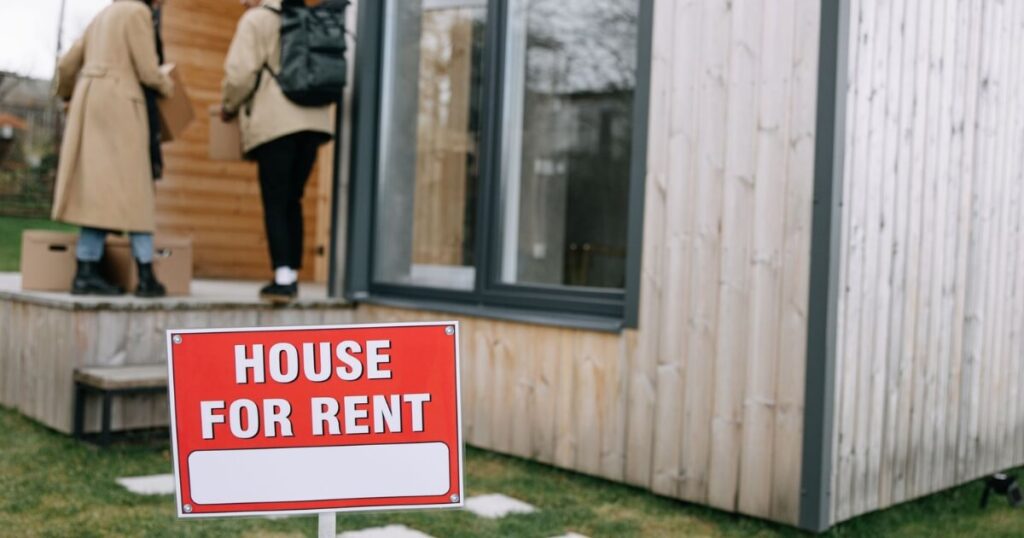
You can challenge a rent increase at the NSW Civil and Administrative Tribunal (NCAT), and NCAT will weigh your rent against comparable market rents and the condition of your property.
Your landlord can send you a rent increase notice and it can feel like there is nothing you can do. But the law gives you a real right to push back. Under section 44 of the Residential Tenancies Act 2010 (the RTA), you can apply to NCAT for an order that your rent — or the proposed increase — is excessive. This article explains when that right applies, what NCAT looks at, and how to build a case.
When you have the right to challenge
Under s44 of the RTA, a tenant can apply to NCAT for an order that a rent increase, or the rent under an existing or proposed agreement, is excessive.
The right covers two situations. First, you have received a notice of a rent increase and you believe the new amount is above market. Second, your landlord has reduced or withdrawn goods, services or facilities that came with the premises — for example, removing a parking space, letting a shared laundry fall out of service, or ending a gardening service — and the rent has not been adjusted to match. The 30-day window described below applies to the rent-increase pathway; the goods-and-services pathway can be run at any time before the tenancy ends.
NCAT can make an order specifying the maximum rent your landlord is allowed to charge. That order applies for up to 12 months.
Before you argue “excessive” — check the once-per-year rule
Since 31 October 2024, there is a simpler test to apply first. Under section 41(1A) of the RTA, your landlord cannot:
- increase your rent within the first 12 months of your tenancy, or
- increase your rent more than once in any 12-month period.
This rule applies to all tenancy agreements — fixed-term or periodic — with one narrow exception: fixed-term agreements of less than two years that were signed before 31 October 2024 remain under the old rules until they end.
If your landlord issues a second increase within 12 months of the last one, or any increase in the first 12 months of your tenancy, you do not need to argue about market rates. Under section 41(3), a rent increase that does not comply with section 41 “is not payable” by the tenant. You can refuse to pay the increased amount and continue paying the previous rent.
Two practical points. First, count 12 months from the day the previous increase took effect, not the day the notice was given. Second, if you want NCAT to formally rule that the non-compliant increase is not payable, you must apply within 12 months of the increase — otherwise section 41(10) deems it compliant. Applying to NCAT is not always necessary — you can simply keep paying the old rent and rely on section 41(3) as a defence — but a Tribunal order removes any ambiguity.
If you are unsure whether the once-per-year rule has been broken, look at the date of your last increase before doing anything else. If it is less than 12 months ago, or you are still in the first 12 months of your tenancy, that is your answer — no excessive-rent analysis needed.
The 30-day application window — act quickly
Under regulation clause 39 of the Residential Tenancies Regulation 2019, you must apply to NCAT within 30 days of receiving a rent increase notice. Missing that deadline means the increase takes effect without any tribunal review.
This is the most important deadline in the whole process. Do not wait until the rent increase takes effect. Even if you are still negotiating with your landlord, apply to NCAT within those 30 days to protect your position. You can always withdraw the application later if you reach an agreement.
If the increase has already taken effect and you missed the 30-day window, the increase stands. You may still have separate grounds under s44 if your landlord has withdrawn goods, services or facilities that came with the premises, but you cannot challenge the increase itself once the 30 days have passed. Acting within the window is essential.
What NCAT actually considers
When NCAT decides whether a rent increase is excessive, it looks at a specific list of factors under s44. These are:
- The general market level of rents for similar premises in the same or a similar area
- Your landlord’s outgoings under the tenancy agreement
- Any fittings, appliances, goods, services or facilities provided with the premises
- The state of repair of the premises
- The accommodation and amenities provided
- When the last increase was
- Any work you have done to the premises
- Any other matter NCAT considers relevant
One factor NCAT will not consider is your income or your ability to afford the increase. This is an explicit exclusion in s44 — the test is purely about whether the rent is above market for a property like yours.
That said, this applies only to the formal NCAT process. When negotiating directly with your landlord or agent before lodging an application, it can still be effective to mention your history as a good tenant or the personal hardship the increase would cause. These are not legal arguments for the Tribunal, but they can sometimes persuade a landlord to agree to a smaller increase to avoid the cost and uncertainty of finding a new tenant.
How to prepare your case
The most important evidence you can bring is comparable rentals — similar properties in your area rented at lower prices. NCAT wants to see that your new rent would be above what the market charges for a similar home.
Aim to gather at least three comparable properties. Current listings from real estate portals work well. If you can get a statutory declaration from a tenant in a comparable property confirming their rent, that is stronger still. Screenshots of listings may not be enough on their own.
Beyond comparable rents, build a picture of your property’s condition:
- Photos showing any disrepair or maintenance issues
- A record of outstanding repair requests and any landlord responses
- A list of all rent increases since you moved in
- Details of any services or facilities that have been removed or are not working
The NSW Department of Communities and Justice publishes a Rent and Sales Report with average rents by local government area — that data can support your case and is freely available.
If your landlord is claiming that higher outgoings (such as council rates or water rates) justify the increase, ask for that in writing. If the rates have not actually risen much, that weakens the landlord’s argument.
What NCAT can order
Under s44, if NCAT agrees that the rent increase is excessive, it will issue an excessive rent order. That order sets a maximum amount your landlord can charge. Your landlord cannot charge more than that amount during the order period.
The order can run for up to 12 months. After 12 months, the order expires. If the landlord then issues a fresh increase notice, you can apply again.
The order sets a ceiling, not a floor. Your landlord can charge less than the maximum — they just cannot charge more.
If you are on a fixed-term lease of more than two years
If your tenancy is a fixed-term agreement that runs for more than two years, you have an additional option when the landlord increases your rent. Under section 99 of the RTA, you can choose to terminate the tenancy rather than accept the increase. You can do this without paying any compensation to the landlord.
To use this right, you give the landlord a termination notice with a termination date at least 21 days after the notice is given, and you must give the notice before the rent increase takes effect. If you wait until after the increase starts, you lose this option.
This pathway is separate from the s44 challenge — you pick one or the other, not both.
If you are in this situation and are not sure which path to take, see our existing guide on breaking a lease in NSW for more context on early termination rights.
Social housing tenants
If you live in public housing, community housing, or an Aboriginal Housing Office tenancy, the rules work differently. You will likely have a rent rebate that offsets some of your rent. When that rebate is reduced, your effective rent goes up.
There are two separate tracks. First, if you disagree with the rebate cancellation decision itself, that goes through your landlord’s internal review process and then to the Housing Appeals Committee — NCAT does not handle that appeal.
Second, under section 141 of the RTA, if your rebate is cancelled you can apply directly to NCAT for an order that the rent payable under your social housing tenancy agreement is excessive. You have 30 days from the date the cancellation takes effect. This is a separate right from the appeal against the cancellation decision, and it uses the same excessive-rent test under s44.
If your rebate situation is complex, get advice from a tenants’ advice service before deciding which track to use.
What if my landlord retaliates for challenging?
You are protected against retaliatory action. Under section 115 of the RTA, NCAT can declare a termination notice to have no effect — or refuse to make a termination order — if it finds the landlord was wholly or partly motivated to give the notice because you applied to NCAT, proposed to apply, or otherwise took steps to enforce your rights.
If you receive a termination notice shortly after challenging a rent increase, the timing is relevant evidence. Keep a record of both the increase notice and the termination notice, and raise the s115 protection with NCAT if the matter goes to a hearing.
Got a rent question specific to your lease?
Ask RentWiz — our free AI tool answers your specific NSW tenancy question using the actual Act and Regulation. Try it now →
Acting fast is the whole game
The single most important thing you can do when a rent increase notice arrives is look at the date on it. Count 30 days. That is your deadline to apply to NCAT if you want to challenge it.
Everything else — gathering comparable rents, documenting the property’s condition, reviewing your outgoings — all of that can be done while the NCAT application is already lodged. Do not let the deadline slip while you are still deciding.